
Welding machines for orthopaedics – precision without compromise
HF welding joins thermoplastic materials such as PVC, TPU or PU using a high-frequency electromagnetic field. As many materials used in orthopaedic technology cannot be welded directly to one another, suitable welding aids are employed depending on the application. This creates durable joints for orthoses, bandages, mobilisation aids and other customised assistive devices.
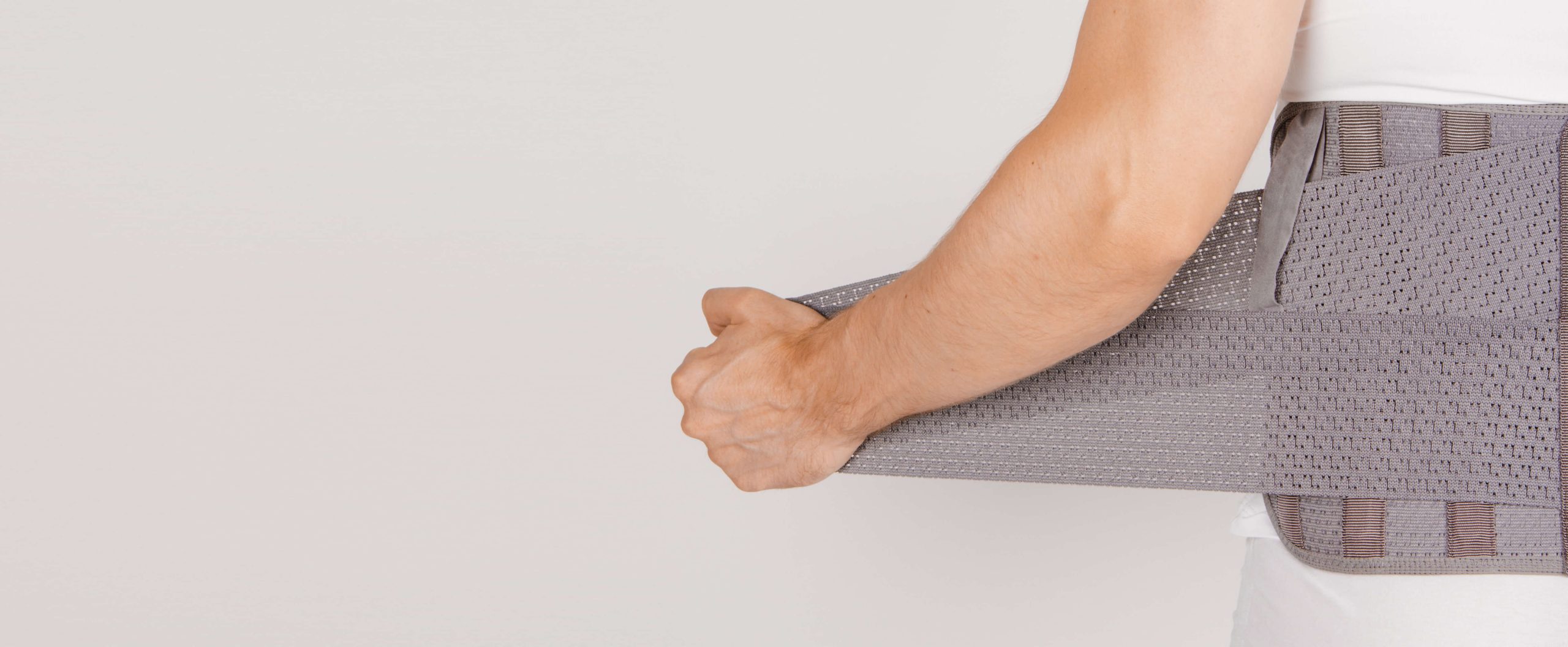
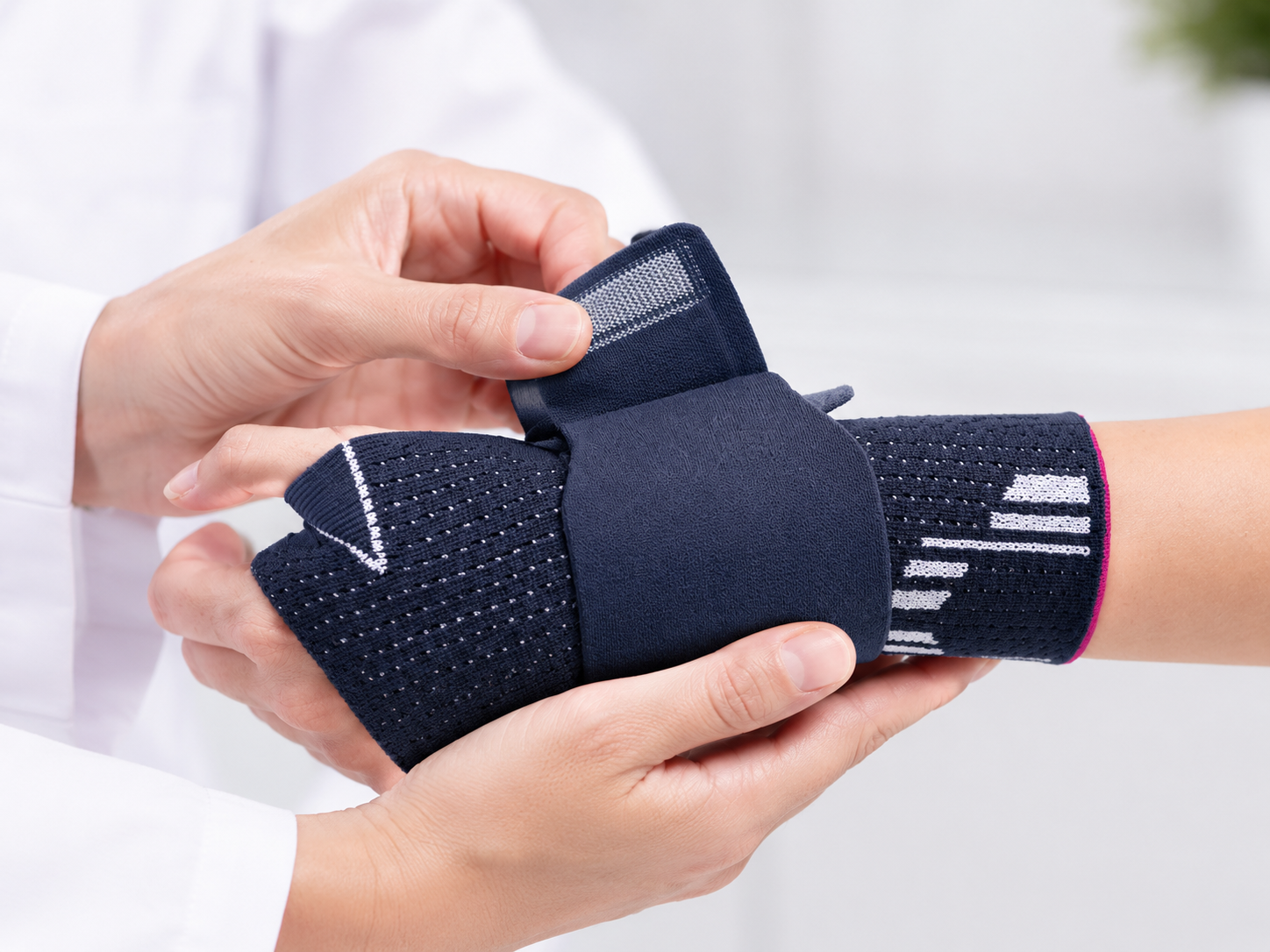
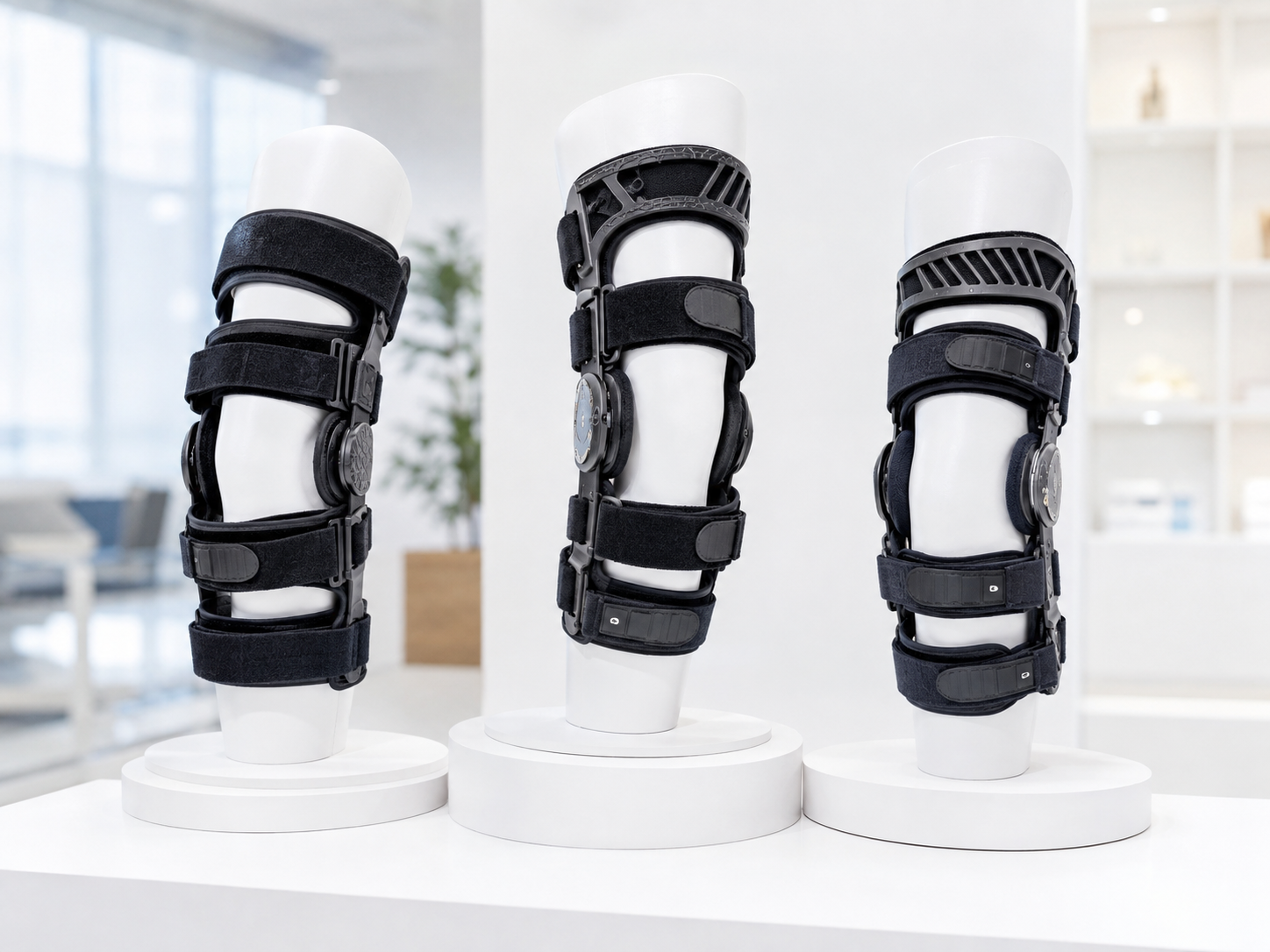
At Schirmacher, we develop bespoke HF welding machines for the orthopaedic industry. Depending on the materials, component geometries and manufacturing processes, we develop a range of machine solutions, from manually operated systems to partially or fully automated lines. In doing so, we tailor the level of automation, the machine design and the operation specifically to your requirements and production conditions.
Customised solution for every application
From concept to series production - our machines adapt to your requirements.
Benefit from application-specific customisation, high process reliability and consistent, repeatable quality.Areas of application
The B2000 It is suitable for compact applications in orthopaedic technology, such as bandages, orthoses, Velcro components and logo embossing. It is an ideal welding machine for smaller workshops and manufacturers who wish to produce recurring products made from PVC, PU-coated fabrics or TPU with precision.
Our recommendation: B2000
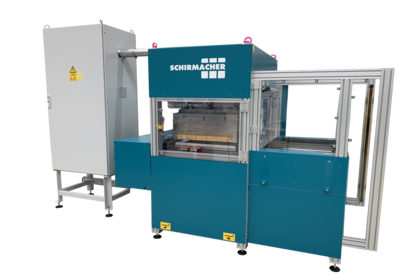
Areas of application
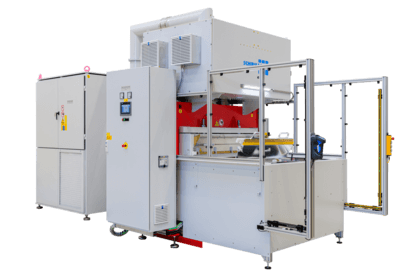
The B3000 It is suitable for larger orthopaedic applications such as bandages, orthoses and products with larger welding surfaces. Thanks to its extended working area and the option of using two tools, depending on the model, it offers greater flexibility for different products and production stages.
Our recommendation: B3000
Areas of application
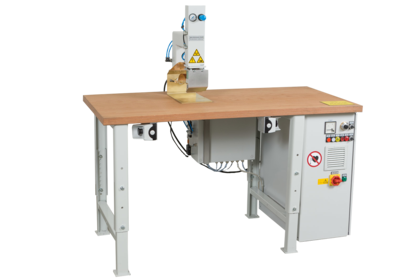
The PTP It is suitable for small, precise welds on orthopaedic products where a high degree of repeatability is required. It is particularly well suited to small contours, demanding welding tasks and repetitive applications where precisely matched tools and process parameters are essential.
Our recommendation: PTP
Welding machines specially developed for orthopaedic technology
In the industrial manufacture of bandages, orthoses and other orthopaedic aids, different materials must be joined together securely and permanently. Depending on the product, precise weld seams, reproducible joint quality and reliable processing of different material combinations are crucial.
The specific requirements depend on the materials used and the particular product design. For example, PU-coated textiles or other thermoplastic composite materials may react differently to pressure, temperature and welding time. The process parameters must therefore be precisely tailored to the material, geometry and desired joint. Inappropriate settings can lead to uneven seams, cracks or leaky joints.
Why our welding machines are suitable for orthopaedics
Precision machinery is crucial in prosthetics and orthotics. What sets our welding equipment apart in day-to-day use from general-purpose solutions is:
- High-frequency control at 27,12 MHz ensures that heat is generated within the material itself (dielectric heating). As a result, only the weld zone is heated; the surrounding material remains undamaged. The seam strength is close to that of the base material.
- High repeatability thanks to controlled process parameters ensures consistently reproducible results. Key process parameters such as temperature, contact pressure and power are continuously monitored and automatically controlled.
- Reliable process control with different materials: PVC, TPU, PU, EVA and PET-G can be processed. When changing products, pre-set welding programmes automatically adjust the power and temperature.
- Easy to use No complicated settings: Pre-set programmes reduce the time needed to get to grips with the system. The focus is on the result, not on fiddling with parameters.
- Reliability in continuous operation: Cycle times of 2 to 5 seconds for typical film applications ensure high efficiency. Maintenance intervals and the availability of spare parts are designed to meet the demands of daily use in industrial production.
How precise welding works in orthopaedics
Step 1: Prepare and load the material
Positioning the material in the machine is straightforward. Film or coated fabric is positioned on the tool electrode and the welding process is set via the control system. Optionally, the high voltage can be measured directly and used for process monitoring. This allows the welding process to be assessed even more precisely and monitored more effectively than with a purely current-based approach.
Step 2: Adjust welding parameters automatically
Once the appropriate recipe has been selected, the machine control system regulates the relevant process parameters for the High frequency welding. These include, amongst other things, generator output, contact pressure, welding time and cooling time under pressure. This enables PVC films, as well as PU and TPU materials, to be processed in a reproducible and reliable manner.
Depending on the material and application, the process parameters are specifically tailored to the relevant welding process. Precise control of the high-frequency current ensures uniform energy input and contributes to a consistently high quality of the weld seam.
Step 3: Achieving consistent results
The welding process is followed by cooling under a specified pressure. This step is crucial: if the cooling period is too short, it results in unstable or discoloured welds. An integrated monitoring system records every cycle and detects deviations immediately. The results are reproducible, piece by piece, without guesswork and without wasting material.
Frequently Asked Questions
What is an HF welding machine for orthopaedics?
A high-frequency welding machine joins thermoplastic films using a high-frequency electromagnetic field and mechanical pressure. In orthopaedic technology, this process is used to create reproducible weld seams on orthoses, bandages, mobilisation aids and other customised assistive devices.
Which materials can be welded?
Polar thermoplastic materials such as PVC, PU and TPU are particularly suitable for high-frequency welding. Materials such as polypropylene (PP) or polyethylene (PE), on the other hand, respond only to a limited extent to high-frequency energy.
For such materials, we offer alternative welding processes such as the Heat-pulse welding . This allows the appropriate process to be tailored specifically to the material, component and application.
How long does it take to get to grips with the machine?
Thanks to pre-set welding programmes and intuitive operation, staff can learn the basic functions within a few hours. For complex applications and specialised tools, we recommend training provided by our team.
What maintenance is required?
Regular cleaning of the electrodes, checking the contact pressure and monitoring the generator parameters. Spare parts and accessories are available directly from Schirmacher-HF.
Are there any training courses for staff?
Yes. We offer training courses at our own premises and at your premises. The Education includes machine operation, material selection, parameter setting and troubleshooting.
How does the Service And what about support?
You can obtain service and support directly from Schirmacher HF or via our Sales and Service department Partner On site. Our team and our international partners are on hand to assist you with technical enquiries, the supply of spare parts, and maintenance and servicing. This means you benefit from short response times, expert guidance and reliable support, even internationally.
Is your product not listed?
Whether you need a bespoke orthosis, support, mobilisation aid or a new combination of materials: here at Schirmacher, we’ll assess your application and develop a suitable solution. Make the most of our expertise and send us drawings, material specifications, samples and your key requirements. You’ll receive a well-founded recommendation for the machine, tooling and process.
We look forward to hearing from you.