
High-frequency welding machines for the automotive industry
Automotive industry
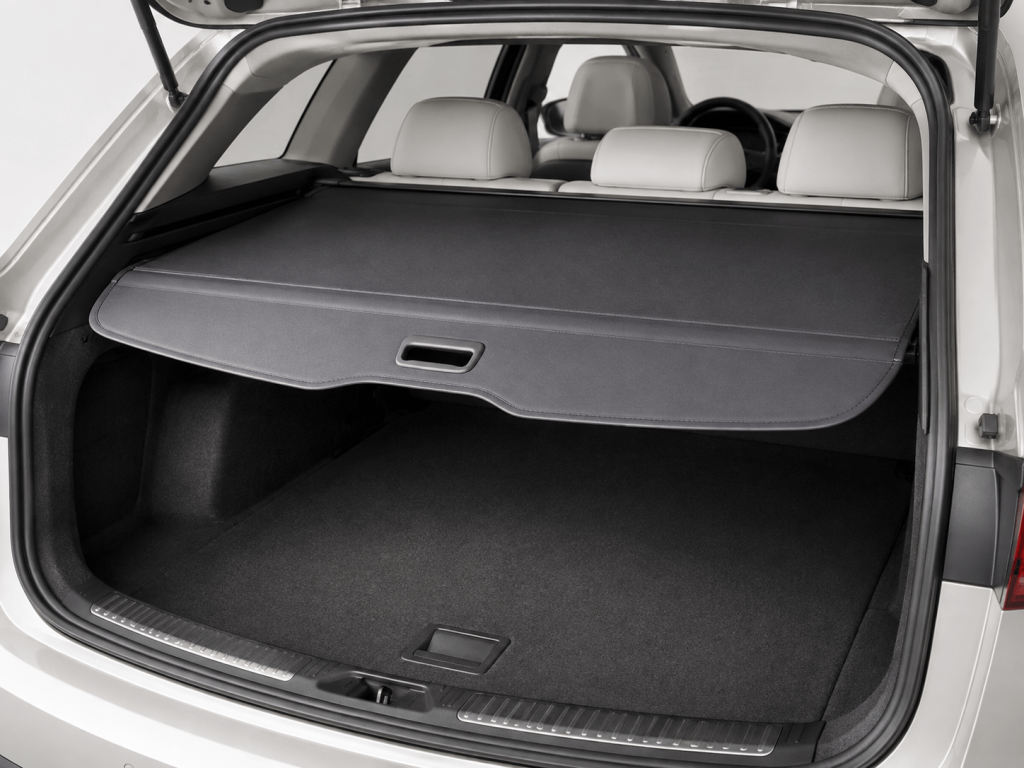
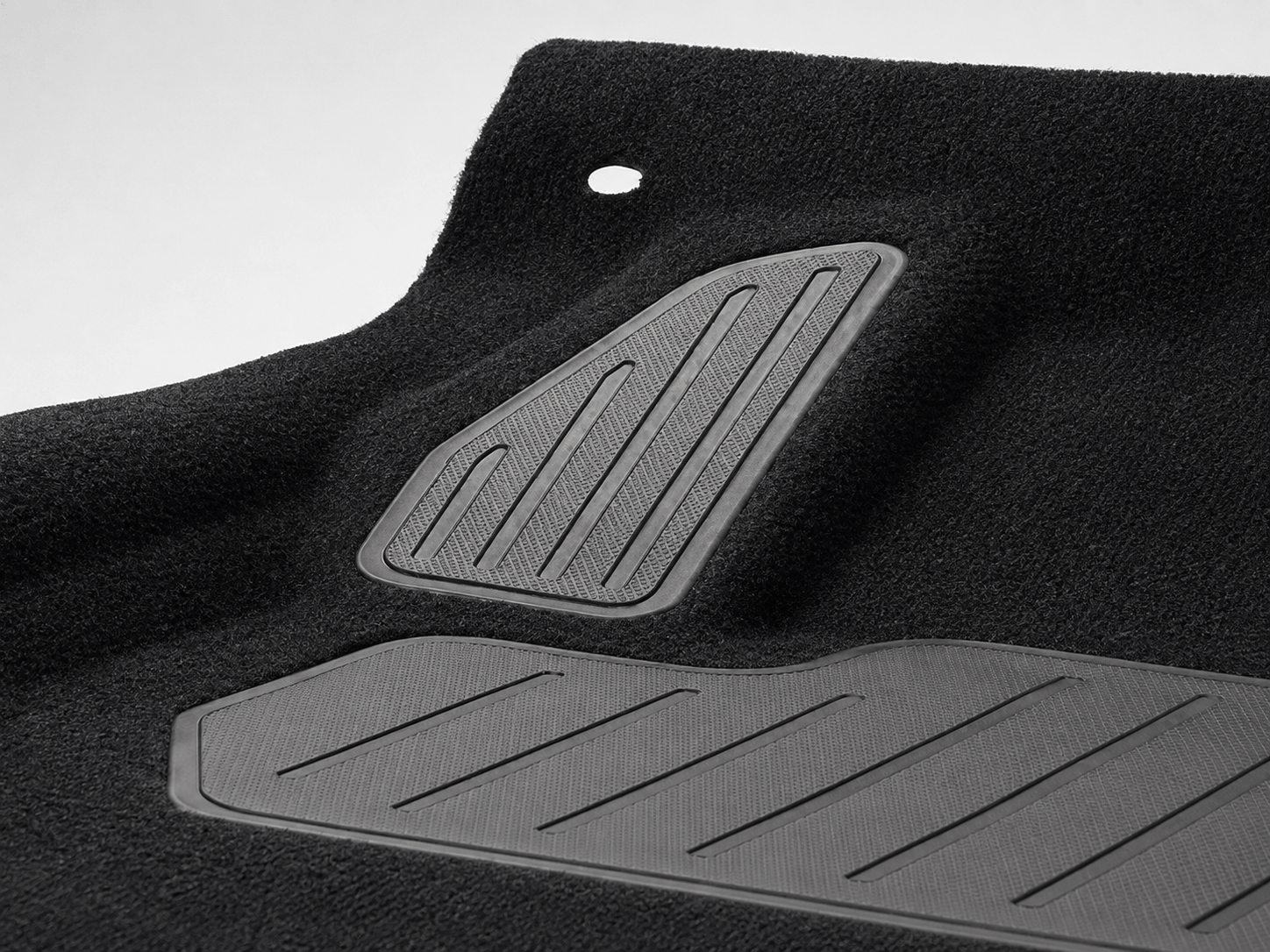
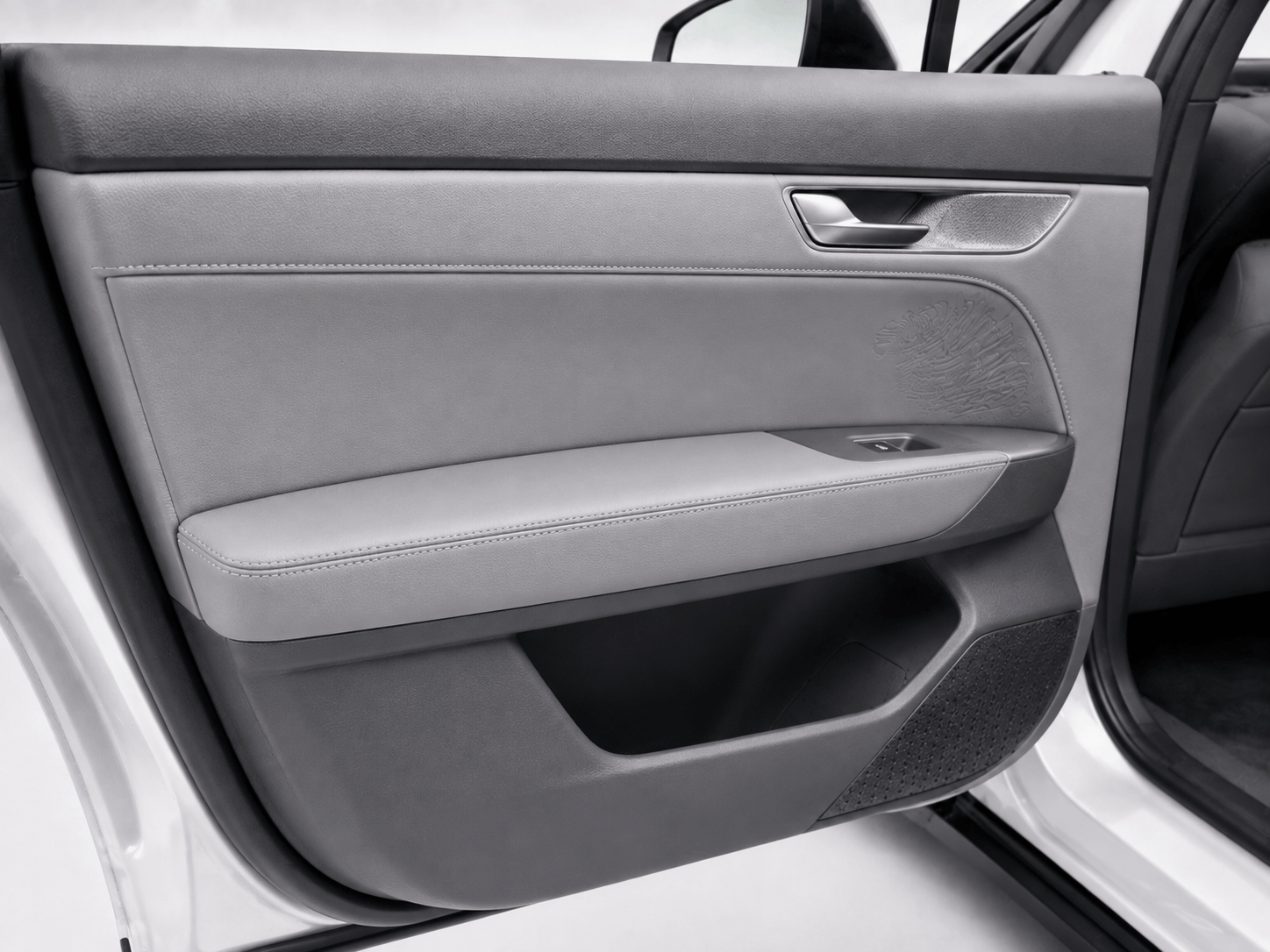
As a company, we develop and manufacture machinery for industrial customers who wish to weld vehicle interior components reliably and cost-effectively. Our solutions are tailored to the automotive industry and support the manufacture of high-quality parts for the automotive sector: footwell protectors, boot mats, seat components, door panels, interior textiles, airbag and safety components, filters and insulation materials.
This is not just about high-frequency welding. We look at materials, products, tools, documentation, Service and cycle time as part of the overall task. This results in machines that are tailored to your product, your production volume and your requirements.
When designing, we take into account product geometry, materials, quality requirements, cycle time and the desired level of automation.
Customised solution for every application
From the initial idea right through to mass production, we support your projects with our expertise, experience and development know-how. A car contains many technical components that are subjected to constant stress. That is why seams, edges, embossed features and joints must be reproducible, clean and durable.
In the field of high-frequency welding technology, we use suitable generators, specially designed tools and precise pressure forces. HF welding generates heat directly within the material. The technology is particularly well suited to polar thermoplastics and produces strong, uniform weld seams. Welding aid films can be used for other materials
Which machines are suitable for which applications?
Applications of the B2000 in the automotive sector
Our recommendation: B2000
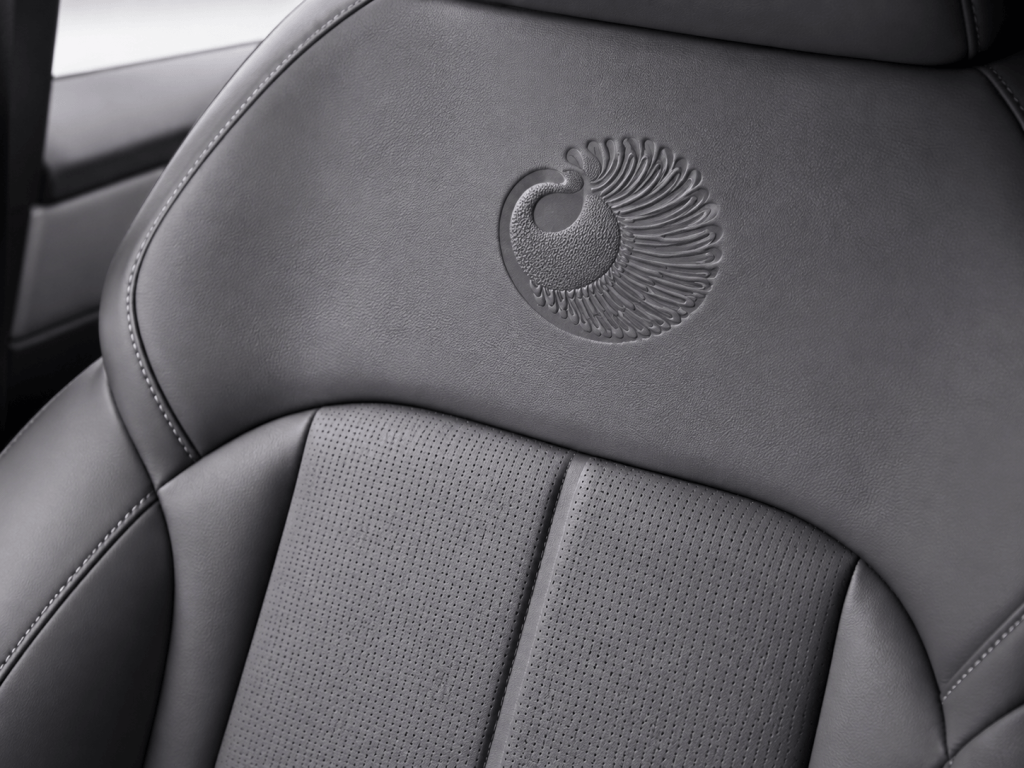
The B2000 It is suitable for compact automotive applications such as seat adjustment mechanisms, sun visors, boot mats, footwell mats and logo embossing. It is the ideal welding machine for the production of high-quality, repeatable products.
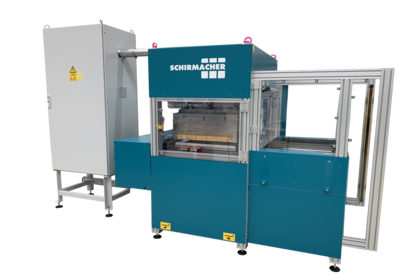
B3000 for vehicle interiors and technical textiles
Our recommendation: B3000
The B3000 It is suitable for larger components such as seat trim, sun visors, boot liners, embossed leather, engine bay covers and engine insulation. It offers more space for materials, tools and various products.
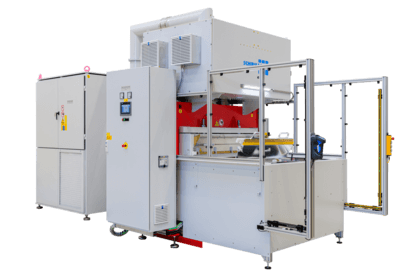
B10,000 for large automotive components
Our recommendation: B10.000
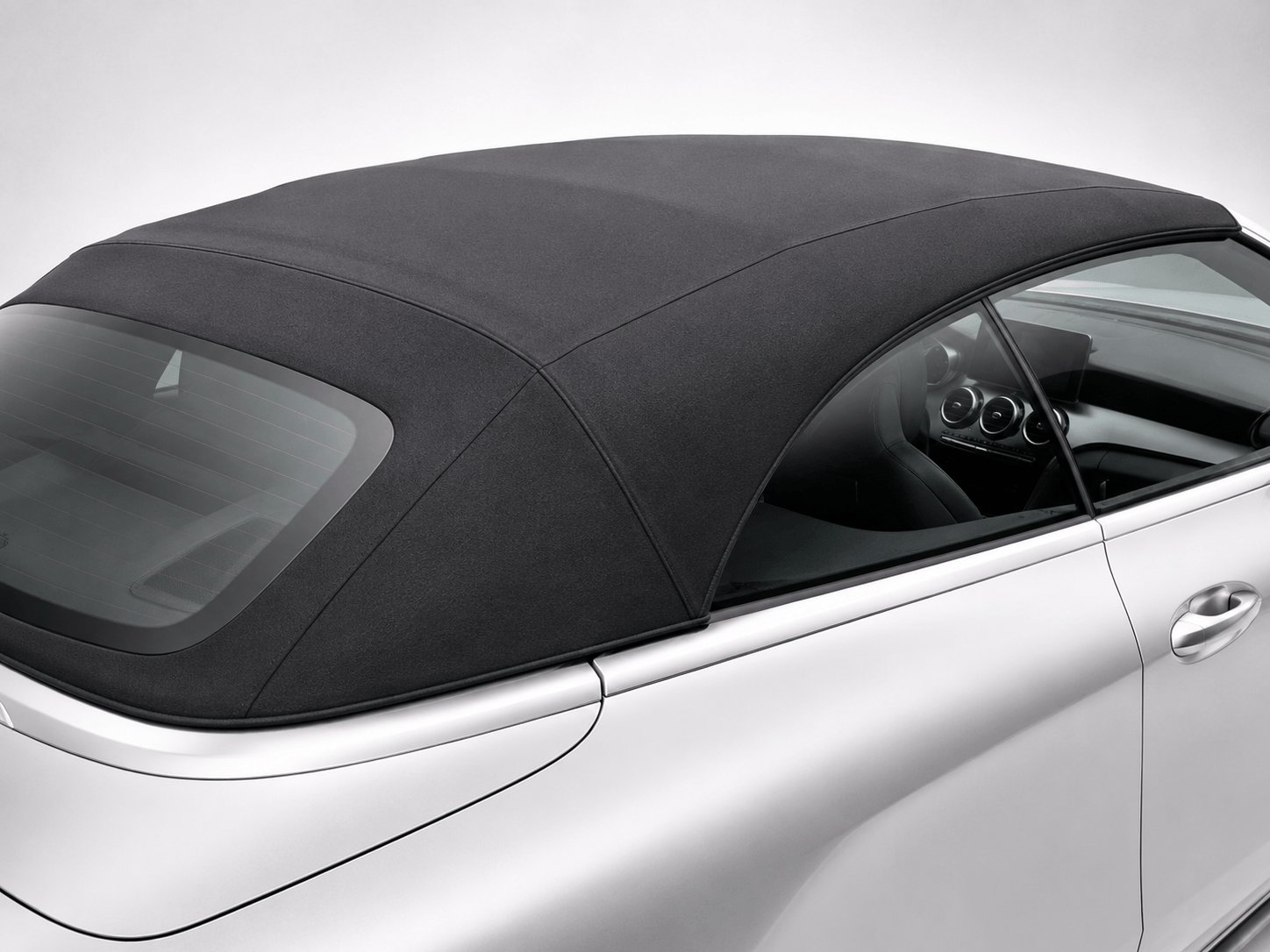
The B10.000 is suitable for large-format applications such as convertible tops, door panels and other vehicle interiors. As surface area, print volume and output increase, this system provides the ideal framework for industrial production. Large logo embossings require additional parallelism and force distribution during HF welding.
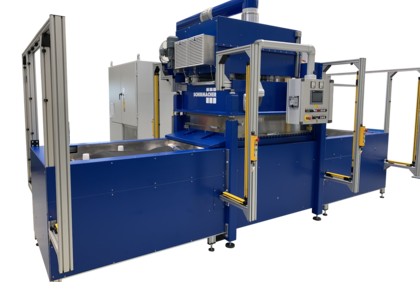
PTP for logo and design embossing
Our recommendation: PTP
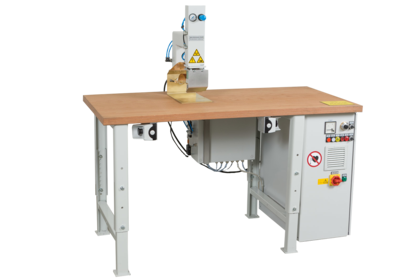
The PTP is our machine for precision embossing tasks, such as logo embossing. It is ideal when surfaces need to be embossed cleanly and with consistent results. It is space-saving and can also be designed as a portable unit. Thanks to its compact design, the tools can be changed easily.
TSM for floor mats and car carpets
Our recommendation: TSM
The TSM It has been specially developed for floor protection. It is always used when floor protection is combined with a car carpet. With the right tools, results can be achieved during ongoing operations. Global deployment and many years of experience guarantee fail-safe production lines.
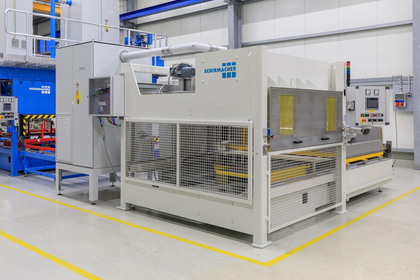
Modern welding machines ensure a high level of process reliability, short cycle times and consistently high weld quality. Thanks to precise process monitoring and reproducible welding parameters, they meet the automotive industry’s high quality standards and are ideally suited to automated production lines and use by automotive suppliers.
Welding processes in the automotive industry
In the automotive industry, welding processes for plastics and textile composites play a crucial role. Many components in the vehicle interior, as well as functional parts, are no longer sewn or bonded, but are now permanently joined using modern welding processes. High frequency welding (HF welding), ultrasonic welding and heat-sealing processes enable cost-effective, reproducible and visually high-quality joints for mass production.
High-frequency welding machines generate the welding heat directly within the material by means of a high-frequency electromagnetic field with a frequency of 27,12 MHz. The process is particularly suitable for PVC, coated textiles and other dielectric plastics. Typical applications include the manufacture of sun visors, door panels, dashboards, gear-shift boots and seat components, as well as the welding of reinforcements and decorative elements.
Is your product not listed?
Then please get in touch with us. Send us materials, drawings or samples and describe your requirements. We will assess the task, recommend a suitable machine or solution, and determine which process offers the best value for money. If your product is not listed in our range on this page, that does not mean we do not have a solution.
Frequently Asked Questions
What materials are used?
Depending on the task, textile composites, plastics, films, coated fabrics, non-wovens, foams, filter media, insulation materials and engineering materials are processed. The materials used are mainly PVC, TPU, PU, EVA or PET.
Which requirements are key?
Key factors include leak-tightness, reproducibility, seam strength, hygiene, cycle time, automation, validability and documentation. Depending on the project, additional standards, regulations or internal approvals may also apply.
Which machines are suitable for which applications?
The B2000 may be suitable for smaller products. The B3000 is often suitable for larger interior components. For large surfaces, we recommend the B10,000. The PTP is a good choice for logo embossing, whilst the TSM is ideal for floor protection.
Are there any reference projects or anonymised examples?
Yes. We can discuss anonymised examples, such as boot mats in various sizes, safety components with sealing requirements, or interior textiles with visible embossing. Due to confidentiality agreements, we are unable – and do not wish – to name specific clients.
What does HF mean in welding?
HF stands for high frequency. In HF welding, the material is heated in a targeted manner by a high-frequency electromagnetic field. The heat is generated directly within the material, rather than just at the surface.
This enables suitable thermoplastic materials to be joined together quickly, cleanly and permanently. The result is tight and robust weld seams that are particularly well suited to applications in the automotive sector – for example, in trim, interior fittings, covers or technical textiles.
What are the disadvantages of HF welding?
HF welding is not suitable for all plastics, but is primarily suited to polar thermoplastics. It also requires suitable tools, optimised process parameters and experience. However, when used with suitable materials, the process produces tight, strong and reproducible joints.
We look forward to hearing from you.